What actually happens when a pharmacist stops checking dosages and starts shaping how doctors understand a drug?
That shift takes you to the gateway of Medical Affairs, a vocation that takes you well beyond the typical boundaries of retail counters and hospital floors.
But diving into the pharmaceutical industry isn’t as easy as putting “PharmD” on a CV and hoping for callbacks. The fundamental challenge is to translate the raw clinical knowledge into scientific capability that is ready for industry.
Medical Affairs is the scientific voice of a drug company, tying together clinical data and real-world medicine. Instead of verifying orders, your work centres on scientific communication, managing complex medical information, driving evidence generation, and engaging directly with key opinion leaders. For early-career professionals and associates, this means analysing clinical trial literature, coordinating medical projects, authoring scientific content, and gathering actionable insights from the field. It is a transition from routine dispensing to strategic influence, making it one of the most compelling and challenging moves a modern pharmacist can make.
Looking for Healthcare Opportunities?
Browse top-paying jobs in hospitals and clinics worldwide.
What Does Medical Affairs Mean for Pharmacists?
For a pharmacist, Medical Affairs can be understood as the space where medicine expertise meets pharmaceutical-industry work.
Pharmacy strength | Medical Affairs application |
Pharmacology | Understanding mechanisms and therapeutic evidence |
Pharmacotherapy | Discussing treatment-related information |
Drug interactions | Supporting scientific and safety discussions |
Literature review | Evaluating published evidence |
Medication safety | Understanding benefit-risk considerations |
Drug information | Answering evidence-based questions |
Clinical knowledge | Communicating with healthcare professionals |
Medical Affairs is distinct from commercial sales. Its work may involve scientific exchange, medical information, evidence interpretation, stakeholder engagement and cross-functional collaboration rather than direct product selling.
Can Pharmacists Work in Medical Affairs?
Yes!
The Pharmacy Council of India currently lists D.Pharm, B.Pharm, Pharm.D and M.Pharm among approved pharmacy courses under its regulatory framework.
Industry requirements vary considerably.
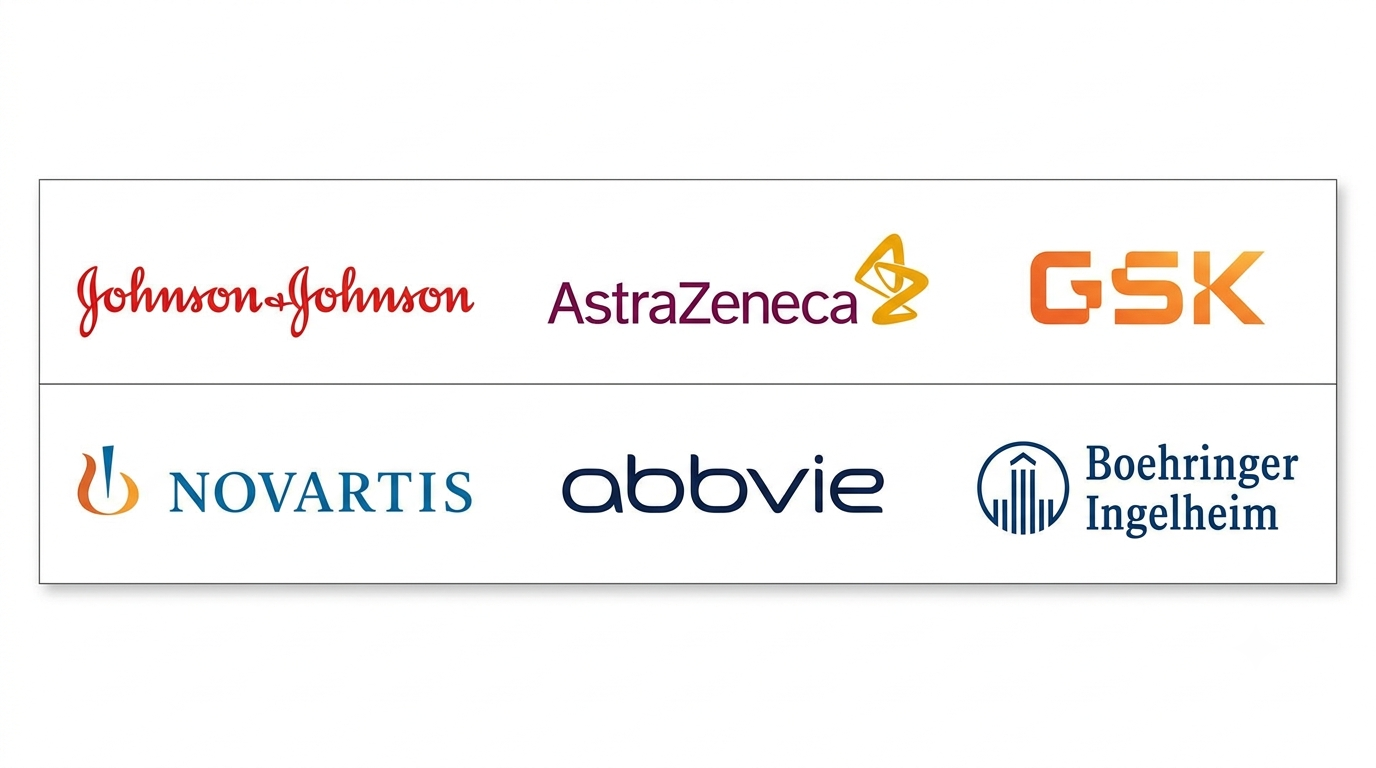
Companies Hiring for Medical Affairs roles
Company | About the company | Current pharmacist-specific Medical Affairs role | What the JD asks for |
Johnson & Johnson (J&J) | J&J is a global healthcare company whose Innovative Medicine business has a dedicated Medical Affairs function covering areas such as oncology, immunology and neuroscience. | Medical Science Liaison – Oncology, Delhi/India | PharmD or PhD in a pharmaceutical discipline is accepted, with 0–2 years of pharmaceutical/healthcare experience. The role involves KOL mapping and engagement, discussing clinical-trial data and treatment trends, handling scientific information requests, gathering insights, supporting medical strategy, and extensive field travel. |
AstraZeneca | AstraZeneca is a science-led biopharmaceutical company focused on discovering, developing and commercialising prescription medicines across major disease areas. | Regional Medical Advisor – Oncology, Delhi/India | The role involves scientific engagement with HCPs and other stakeholders, gathering medical insights, supporting evidence-generation initiatives, keeping up with disease-area and product knowledge, and helping develop the Medical Affairs strategy. Pharmacist is an accepted professional background in AstraZeneca Medical Affairs roles, alongside physicians and scientists. |
GSK | GSK is a global biopharma company focused on vaccines and speciality medicines, with major therapeutic areas including respiratory, immunology, oncology, HIV and infectious diseases. | Medical Science Liaison – Respiratory, Mexico | A university degree in medicine, pharmacy, life sciences or an equivalent clinical/scientific discipline is required, with relevant Medical Affairs/clinical research/clinical-development experience. The MSL builds scientific relationships with experts, conducts non-promotional scientific exchange, supports clinical research, gathers insights and feeds them into Medical Affairs strategy. |
Novartis | Novartis is a global pharmaceutical company with a large Medical Affairs organisation spanning Medical Advisors, MSLs and other scientific roles. Its career site currently lists multiple Medical Affairs openings. | Medical Advisor – PC / MSL roles | Novartis explicitly lists PharmD/pharmacist among accepted educational backgrounds for Medical Advisor and MSL positions. Typical responsibilities include developing Medical Affairs plans, generating and interpreting evidence, engaging scientific partners/KOLs, providing disease and product expertise, collecting insights and supporting healthcare-system partnerships. |
AbbVie | AbbVie is a research-driven biopharmaceutical company with Medical Affairs teams supporting therapeutic areas through scientific engagement, evidence generation and medical strategy. | Medical Science Liaison / MSL – Rheumatology and other TAs | AbbVie lists Pharmacist or a Master's degree in a scientific discipline as a preferred background for MSL roles. The JD asks for therapeutic-area knowledge, understanding of the Medical Affairs function, clinical-research knowledge, scientific communication, stakeholder engagement, publications/research support and compliance awareness. |
Boehringer Ingelheim | Boehringer Ingelheim is a global pharmaceutical company where pharmacists can enter Medical Affairs through dedicated medical, scientific communication and clinical-development pathways. | Postdoctoral Fellow – Medical Affairs & Scientific Communication (PharmD), US | This is specifically described as a post-doctoral pharmacist position within Clinical Development & Medical Affairs. It provides rotations across Medical Affairs and Scientific Communications and exposure to clinical operations, translational medicine and clinical pharmacology. Doctor of Pharmacy (PharmD) from an accredited pharmacy school is required before the start date. |
Which Pharmacy Qualification Is Most Relevant?
Qualification | How it can help |
B.Pharm | Strong foundation; industry skills may need development |
M.Pharm | Added subject-matter depth and specialisation |
Pharm.D | Useful clinical and therapeutic grounding |
PhD + Pharmacy | Relevant for research-intensive or specialised roles |
Skills Pharmacists Need for Medical Affairs
Your pharmaceutical knowledge is valuable, but recruiters also need evidence that you can use it professionally.
Skill | What you should demonstrate |
Scientific communication | Explain complex evidence clearly |
Critical appraisal | Understand study quality and limitations |
Medical writing | Produce accurate scientific content |
Presentation | Deliver structured scientific presentations |
Stakeholder management | Communicate professionally with HCPs and teams |
Compliance awareness | Follow appropriate scientific and regulatory processes |
Project management | Handle timelines, documentation and coordination |
Digital fluency | Work effectively with modern industry tools |
Structured training can be useful when your academic background is strong but your understanding of industry workflows is limited.
Academically currently offers an Executive Programme in Medical Affairs. The programme highlights Medical Affairs strategy, MSL competencies, KOL engagement, scientific communication, medical information, evidence-related work, practical projects, mentorship, CV/LinkedIn support and interview preparation.
Here's what one of the students had to say about the course:
Dr. Salman Junaid , Pharm. D |
Medical Affairs Career Path for Pharmacists
There is no single promotion ladder, but one possible pathway is:
B.Pharm / M.Pharm / Pharm.D |
Career movement can differ by employer, role and experience.
Medical Affairs Salary for Pharmacists in India
Compensation varies with qualification, experience, therapeutic area, employer, location and job scope.
Career stage | Typical roles | Indicative CTC |
Entry | Medical Affairs Associate, Medical Information Specialist | ₹3.5–8 LPA |
Mid-level | Senior Associate, MSL, Medical Content Manager | ₹8–15 LPA |
Senior | Medical Advisor, Medical Affairs Operations Lead | ₹12–22 LPA |
Management | Medical Manager, Regional Medical Lead | ₹18–32 LPA |
Leadership | Head / Director of Medical Affairs | ₹28 LPA–₹50+ LPA |
How Can a Pharmacist Move Into Medical Affairs?
Use the job description as your starting point.
Step | Action |
1 | Select a target role |
2 | Study current job descriptions |
3 | Identify repeated requirements |
4 | Compare them with your current skills |
5 | Close the biggest gaps |
6 | Build practical proof of work |
7 | Tailor your CV and LinkedIn |
8 | Apply and prepare for interviews |
Application Flowchart
Choose target role |
If you don't have prior industry experience, useful work samples can include a literature evidence summary, scientific slide deck, medical-information response example or mock stakeholder plan.
Where to Apply
Jobslly provides dedicated healthcare recruitment categories including Pharmacists, Non-Clinical, Pharmacovigilance and Medical Affairs, with current vacancies across pharmaceutical and healthcare employers.
Its pharmacy-jobs section also provides filters for work type and location.
Search for titles such as: Medical Affairs Associate, Medical Information Specialist, Scientific Communications, Medical Writer, MSL, Scientific Affairs and related roles.
Looking for your next opportunity?
Explore Jobslly for current Medical Affairs and pharmacy related jobs
Find Medical Affairs Jobs for Pharmacists →